
Why Smart People Fall for Financial Fraud and How to Protect Your Money
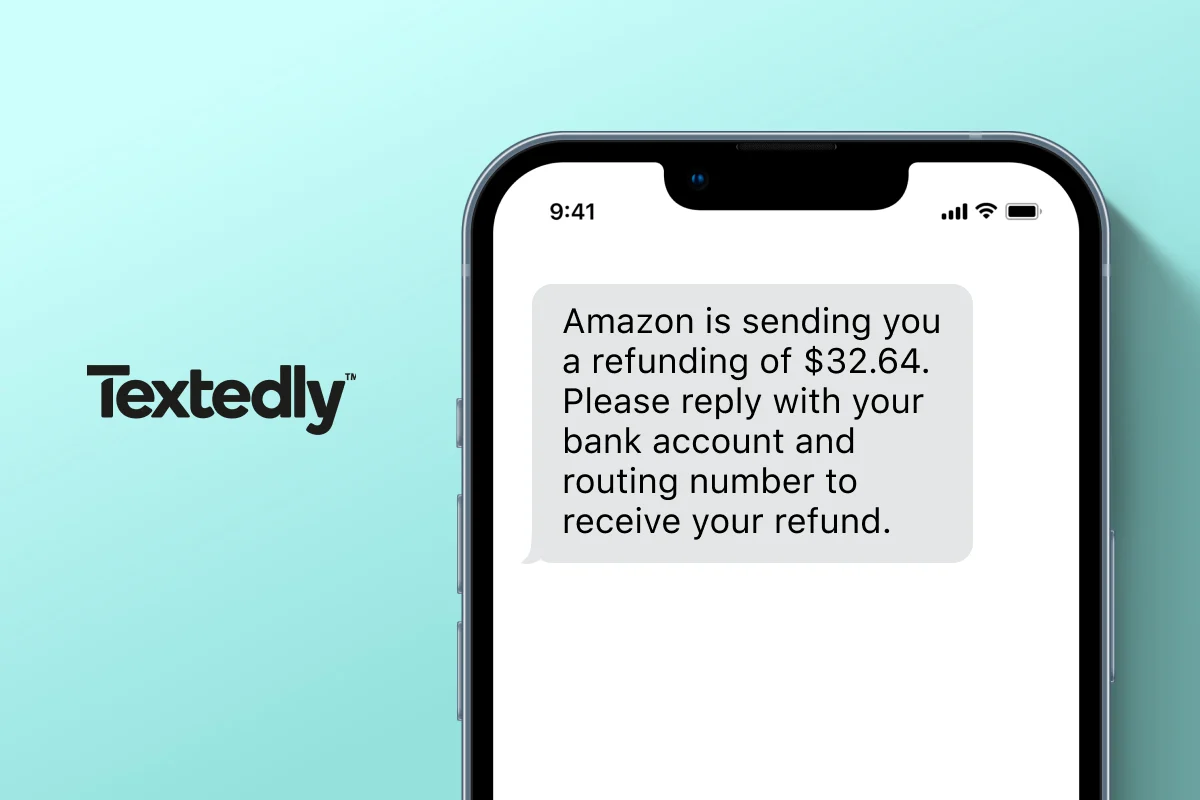
You receive a text from your bank stating that there is suspicious activity on your account.
“Click here to verify.”
The message looks real. It has the right logo. The tone sounds professional. Even the phone number looks familiar. So you click.
Or maybe you don’t. Maybe something makes you pause.
Today, financial frauds or scams are not designed to trick careless people. They are designed to look completely legitimate. Scammers copy real companies, use official language, and blend into the many messages you get every day.
Smart, capable people fall for scams not because they are careless but because scammers have gotten very good at hiding in plain sight.
Why Financial Scams Are Harder to Spot Today
If scams feel more convincing than they used to, you’re not imagining it.
Modern scammers use advanced technology that once belonged only to large companies. Artificial intelligence can clone a person’s voice using only a few seconds of audio. That means a scammer could call you, sounding exactly like your child or parent.
Caller ID spoofing makes calls appear to come from your bank, the IRS, or even local police. Fake websites now look almost identical to real ones, copying colors, fonts, and layouts so closely that differences are hard to spot.
Another problem is message overload. Between emails, texts, apps, work alerts, and social media, you receive hundreds of messages every week. Scammers rely on this overwhelm. They know people are more likely to miss warning signs when they are busy, tired, or distracted.
What makes this even harder is that real companies now communicate in ways that once felt suspicious. Banks do send fraud alerts by text. Subscription services do email about billing problems. Government agencies do send notices online. The line between real and fake has blurred—and scammers exploit that confusion.
Emotional Triggers Used in Financial Scams

Scammers don’t rely only on technology. They rely on emotions that push people to act before thinking.
- Urgency is the most common tactic. Messages say things like “Your account will be locked” or “Respond within 24 hours.” When you feel rushed, you are less likely to verify the message.
- Fear is another powerful trigger. Messages about unpaid taxes, legal trouble, or identity theft cause panic. When fear takes over, people react instead of slowing down.
- Generosity is often used against people who care deeply about others. Fake charity requests increase after disasters. Scammers also pretend to be friends or family members in trouble.
- Opportunity and greed show up in messages promising guaranteed returns, easy money, or exclusive investments—especially when someone feels financial stress.
- Authority may be the most effective tactic. When someone claims to be from the IRS, Social Security, your bank, or your employer, most people feel pressure to respond. Scammers use this trust without hesitation.
Knowing these emotional tricks doesn’t make you immune—but it does help you recognize when someone is trying to manipulate you.
Common Red Flags of Financial Scams

Once you know what to look for, scam messages become easier to spot. Watch for these warning signs:
- Unsolicited contact asking for personal information.
Legitimate companies do not ask for passwords, Social Security numbers, or full account details through unexpected calls, texts, or emails. - Pressure to act immediately.
Real businesses give you time. Scammers create urgency. - Unusual payment requests.
No legitimate company or government agency asks for gift cards, cryptocurrency, or wire transfers. - Slight language errors.
Generic greetings, awkward wording, or small spelling mistakes can signal a scam. - Suspicious links or email addresses.
Even small differences—like a zero instead of the letter “O”—matter. E.g., you got an email from ‘amaz0n.com’ instead of ‘amazon.com.’ - Requests for secrecy.
If someone tells you not to talk to your spouse, bank, or advisor, that is a major warning sign. - Offers that sound too good to be true.
Guaranteed returns and risk-free investments do not exist in real finance.
If something feels off, trust that instinct. You don’t need proof before you pause.
What to Do If You’re Not Sure a Message Is Legitimate
The strongest defense against scams is knowing how to respond when you’re unsure.
- Pause.
Do not respond right away. Legitimate companies will still be there tomorrow. - Verify independently.
Do not use contact information in the message. Look up the company’s official phone number or website yourself. Call the number on the back of your card or visit the official website directly. - Do not click links or download attachments.
Even realistic-looking messages can install harmful software on your device. - Ask someone you trust.
A friend, family member, or a Financial Accountability Coach can help you see warning signs you might miss. - Report the scam.
Report scams to the Federal Trade Commission at ReportFraud.ftc.gov. Phishing scams can be forwarded to [email protected]. Text scams can often be reported through your messaging app or by forwarding the message to 7726 (SPAM).
If you believe you were scammed, act quickly. Contact your bank or credit card company, change passwords, place fraud alerts on your credit, and file reports with the FTC and local authorities. Acting fast can limit damage.
Conclusion: Protecting Your Financial Security
Recognizing financial fraud is not about being suspicious of everyone. It is about building awareness that protects your money, your peace of mind, and your family.
“The greatest enemy of knowledge is not ignorance, it is the illusion of knowledge.” — Stephen Hawking
Scams look real because they are designed to. That doesn’t make you weak—it means you need awareness, patience, and permission to slow down. Smart people fall for scams because scammers are skilled, not because victims are foolish.
Think about the people in your life who may be more vulnerable, like aging parents or younger family members. Sharing this knowledge could save them from serious harm.
Financial security isn’t only about growing wealth. It’s also about protecting what you’ve already built. And that starts by paying attention when something doesn’t feel right—even when it looks completely legitimate.
-------------------------------------------------------------------
Written by Rachel Collins

Rachel Collins is an Accountable Certified Financial Accountability Coach who guides women and couples in taking control of their cash flow so they can live with intention and peace of mind. She specializes in helping smart, capable people navigate the financial decisions that matter most—including protecting themselves and their families from financial threats.
Stay connected with news and updates!
Join our mailing list to receive the latest news and updates from our team.
Don't worry, your information will not be shared.